



























































































































































































What Is the Inhibition Layer? Why Gel Nails Feel Sticky After Curing
Prefer to save this for later?
Download This ArticleWhat that sticky layer really is, why it matters, and how to handle it correctly
I’ve seen a lot of questions and confusion about that tacky or sticky layer left on the nail after curing gel, also known as the inhibition layer. Many people assume it means the gel did not cure, so they keep curing longer than necessary. In reality, this layer is completely normal in many gel systems.
In this post, I’ll break down:
- What the inhibition layer actually is
- Why it forms during curing
- When to leave it in place and when to remove it
- How to reduce unnecessary skin exposure
- Why product quality still matters
My goal is to help you feel more confident in your curing process and better understand how gel products are designed to work.

What Is the Inhibition Layer?
The inhibition layer, also called the dispersion layer, is the sticky, tacky residue left on the surface of many gel products after curing in a nail lamp.
This often causes confusion, especially for beginners, because it can feel like the gel did not set. But in most cases, the gel underneath has cured as intended. What you are feeling is a surface layer affected by oxygen exposure during curing.
In other words, the inhibition layer is not automatically a sign that something went wrong. It is a normal part of how many gel systems behave.
Why It Forms
When gel cures, light activates a chemical reaction that turns liquid gel into a hardened polymer network. At the surface, oxygen in the air can interfere with that reaction. This is why the very top of the gel may remain soft or tacky even though the product below it has cured properly.
That surface tackiness is what we call the inhibition layer.
Why the Inhibition Layer Can Be Helpful
This sticky layer actually serves a purpose in many gel services. It helps subsequent layers of product adhere more effectively, creating a stronger chemical bond between coats.
- Builder gels are often left tacky between layers
- Color gels are often applied over an existing inhibition layer
- Some base coats also rely on this layered bonding process
Only true tack-free or no-wipe gels are formulated to finish without this layer.
When to Remove It
If you are using a traditional gel system, the inhibition layer is typically removed after the final cure, usually after top coat, using 90% or higher isopropyl alcohol or a professional gel cleanser.
The key is understanding whether the product you are using is designed to be wiped or designed to finish tack-free.
How the Inhibition Layer Can Create Risk
It is important to remember that the inhibition layer is uncured product. Because of that, it should be handled intentionally and kept off the surrounding skin whenever possible.
A few simple best practices can make a big difference:
- Avoid touching the inhibition layer with bare fingers
- Cleanse the nail thoroughly rather than lightly smearing the layer around
- Think of it like removing bright red polish. You want it fully off the nail surface and away from the skin
- Use more than one wipe for both hands
- Start with the smallest nail first, such as pinky to thumb, to help keep the process clean and controlled
💡 Bottom Line: The inhibition layer is normal, but it is still uncured residue. Respect it, work cleanly, and remove it properly when the system calls for it.
Why Gel Quality Still Matters
Proper curing technique matters, but so does the formula itself. Not all gels are created equal. Lower-quality products may contain higher levels of smaller reactive ingredients and may not cure as efficiently, even when used correctly.
By contrast, professional-grade formulas that are thoughtfully balanced are designed to cure more completely, perform more reliably, and reduce unnecessary residue on the nail surface.
In short, reducing skin contact with the inhibition layer and choosing a high-quality gel system are two of the most effective ways to support better long-term outcomes with gel nails.
ATTAIN Shine for a Tack-Free Finish
If you want to simplify your finish step altogether, a true tack-free top coat can help remove the cleansing step from your service.
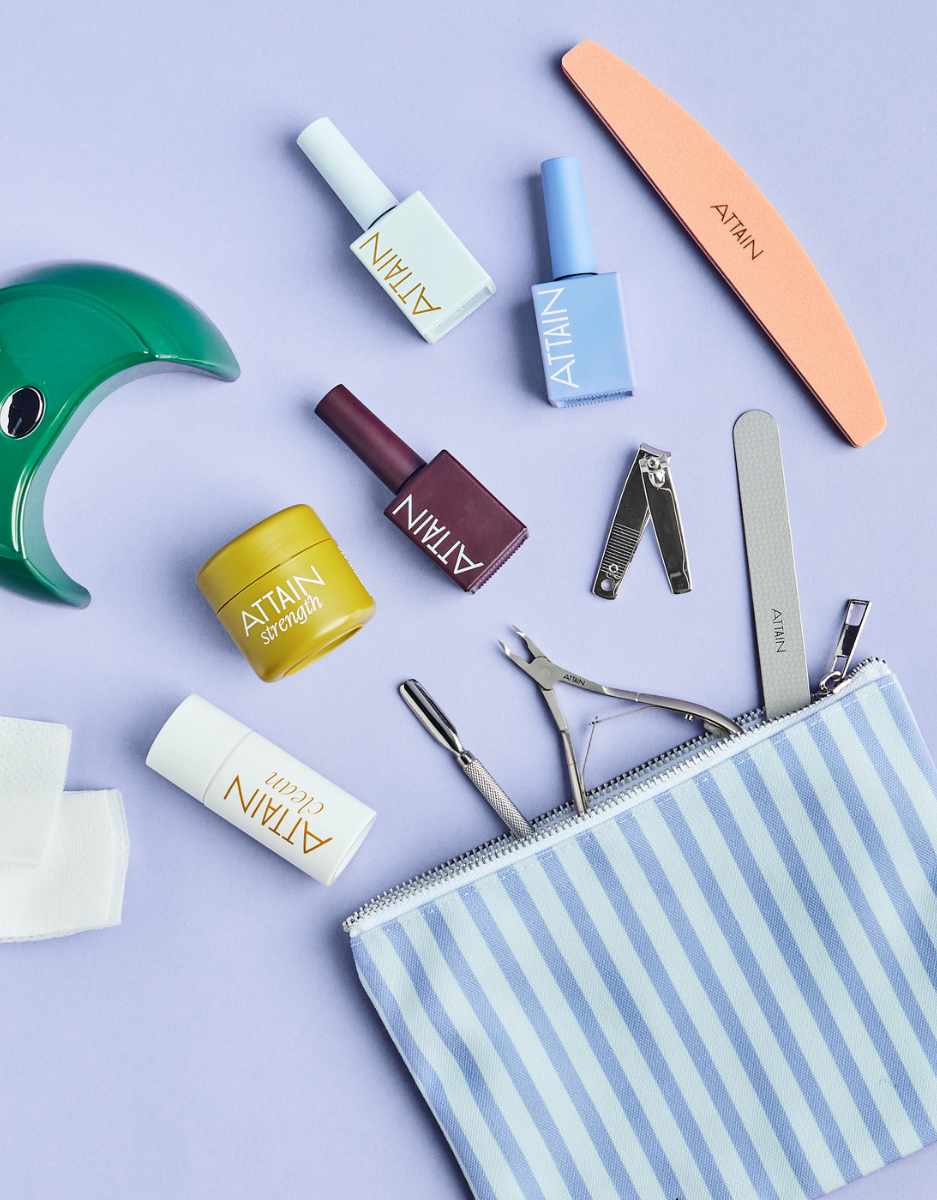
ATTAIN Shine is designed for a glossy, no-wipe finish and reflects our allergy-conscious product philosophy.
- High-gloss, tack-free finish
- Designed to pair with the ATTAIN system
- Aligned with ATTAIN’s beyond HEMA-free, oligomer-based approach
- A smart option for gel nail lovers who want to streamline their final step
